
In a hydraulic system, hydraulic oil plays a vital role in power transmission, lubrication, and heat dissipation. Once excessive contaminants enter the oil, the “health” of the entire system can deteriorate rapidly. Oil contamination is one of the main causes of hydraulic system failures. Even a single particle as small as 40 microns can scratch precision valve surfaces under high pressure, leading to internal leakage and serious equipment damage. Therefore, hydraulic oil filters are one of the core components for ensuring stable system operation.
Three Key Facts About Hydraulic Filters
First, not all filters are the same.
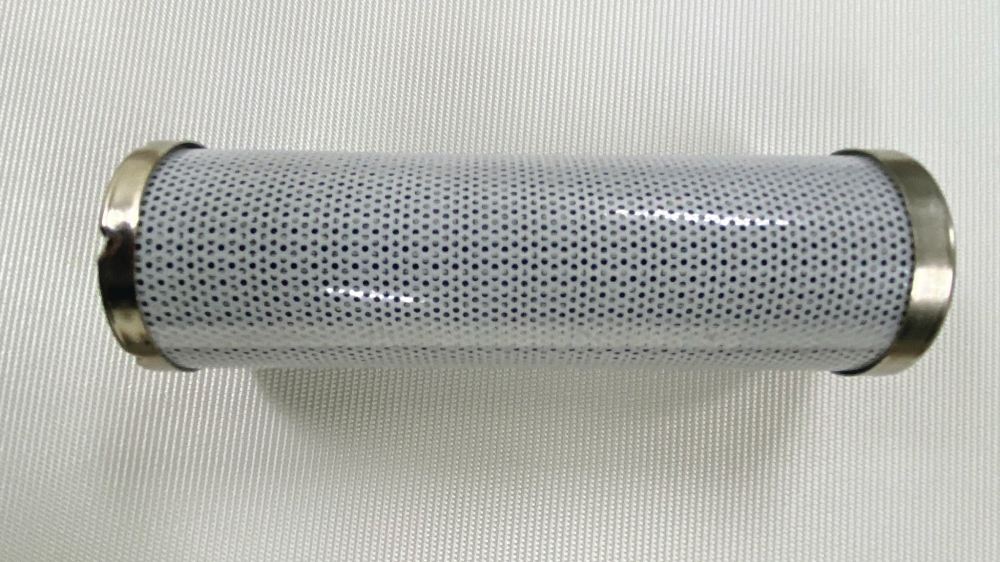
Filter efficiency is usually measured in microns (μm), such as 10μm or 20μm. Higher filtration accuracy captures finer particles but also increases flow resistance. Improper selection may result in insufficient filtration and contamination buildup, or excessive pressure loss that affects system performance.
Second, filters have a “service life limit.”
As operating time increases, contaminants accumulate in the filter media, gradually clogging the filter and raising system differential pressure. When the pressure exceeds the set limit, the bypass valve opens and unfiltered oil enters the system. At this point, the filter has effectively failed, and continued operation will accelerate component wear.
Third, installation details matter.
Even high-quality filters cannot perform properly if seals are damaged, misaligned, or not tightened correctly. In such cases, contaminants can bypass the filter media, significantly reducing filtration effectiveness.
Practical Maintenance Tips
Regular inspection: Check the filter differential pressure indicator monthly or replace according to the equipment manufacturer’s recommendations.
Maintenance records: Keep a replacement log including date, model, and system condition.
Oil analysis: Conduct oil testing every six months or annually to assess contamination levels and filter performance.
Use genuine filters: Choose manufacturer-recommended or certified filters to avoid risks from low-quality alternatives.
Final Thoughts
Hydraulic oil filters are one of the most cost-effective ways to extend equipment life and reduce failure rates. Observing the type and amount of contaminants on a used filter can provide valuable insight into system conditions. High-quality filters combined with proper maintenance are the key to long-term, reliable hydraulic system operation.