 ボリアンフィルタークロス
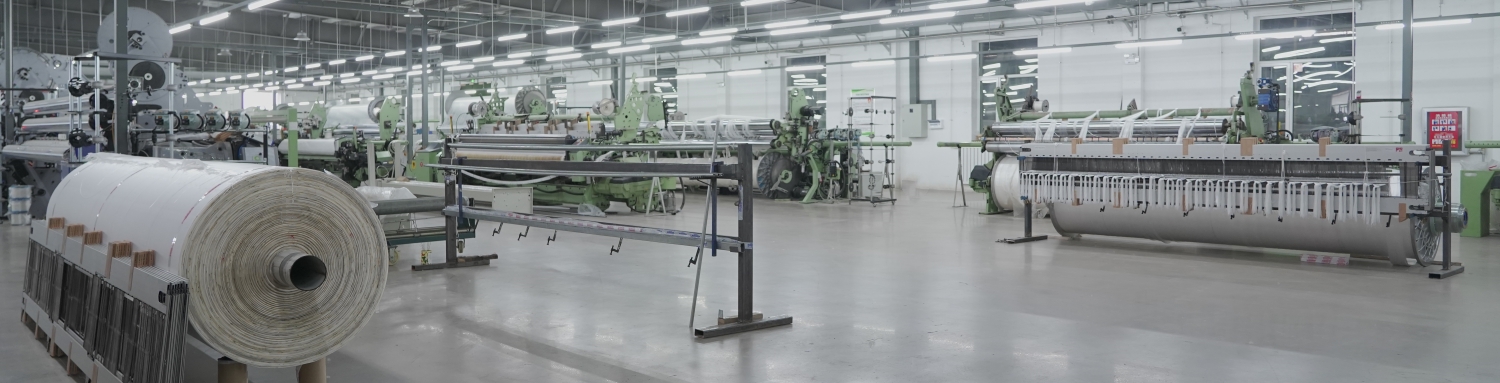
In industrial filter cloth manufacturing, twisting is a key process that binds fibers or filaments into structurally stable yarn. The twist level directly affects yarn strength, abrasion resistance, structural stability, and final filtration behavior, ultimately determining the suitability and service life of filter cloth in different operating conditions.
First, twisting improves overall yarn strength and wear resistance. As twist increases, fiber cohesion and inter-fiber friction rise, allowing individual fiber strength to be more effectively converted into yarn strength. This is especially important in high-pressure applications such as filter presses, mining dewatering, and sludge treatment, where it helps reduce breakage and damage. Tighter yarn structure also reduces fuzzing during repeated friction and cake discharge, extending filter cloth life. However, strength does not increase indefinitely with twist. Beyond an optimal range, excessive fiber angle reduces axial load capacity and yarn strength may decline.
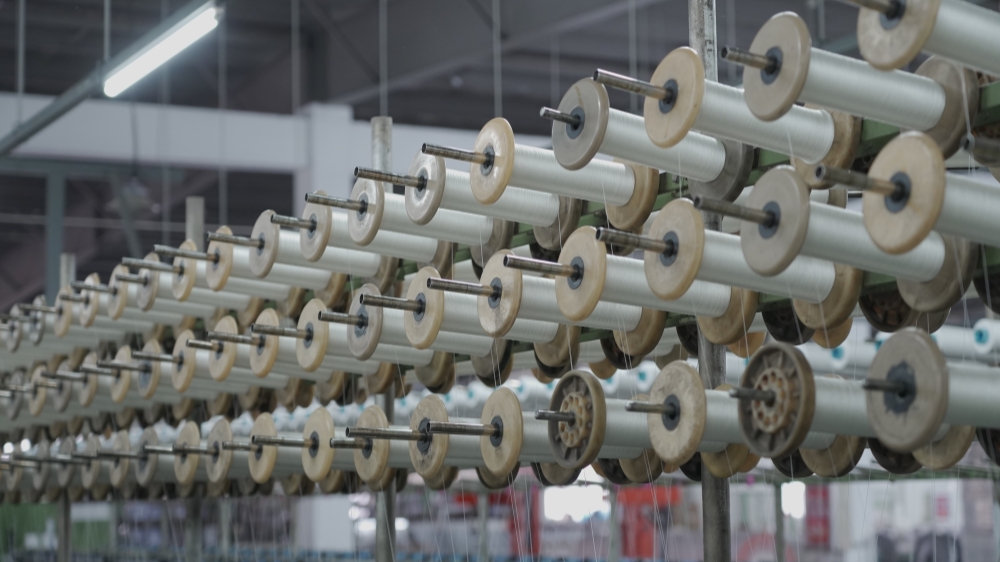
Second, proper twisting enhances structural stability and fatigue resistance. Well-twisted yarns are less likely to loosen under repeated tension and release cycles, providing better dimensional stability during operation.
In terms of filtration performance, twist influences fabric pore structure and yarn surface characteristics. Moderate twist reduces hairiness and creates a more uniform yarn profile, helping form consistent pore distribution and stable filtration accuracy. Excessive twist, however, makes yarns stiffer and less compressible, which can lower fabric porosity and reduce permeability and flow rate.
Twist level also affects fabric flexibility and processability. Higher twist helps control lint and improve cleanliness, but may produce a stiffer fabric that is more prone to stress concentration at folds and seams. Therefore, twist must be optimized together with weave density and finishing processes.
In practical applications, twist should be selected according to operating conditions. Coordinated design across material selection, yarn twist, and weaving structure is essential to achieve optimal overall filter cloth performance.