 Фильтровальная салфетка Bolian
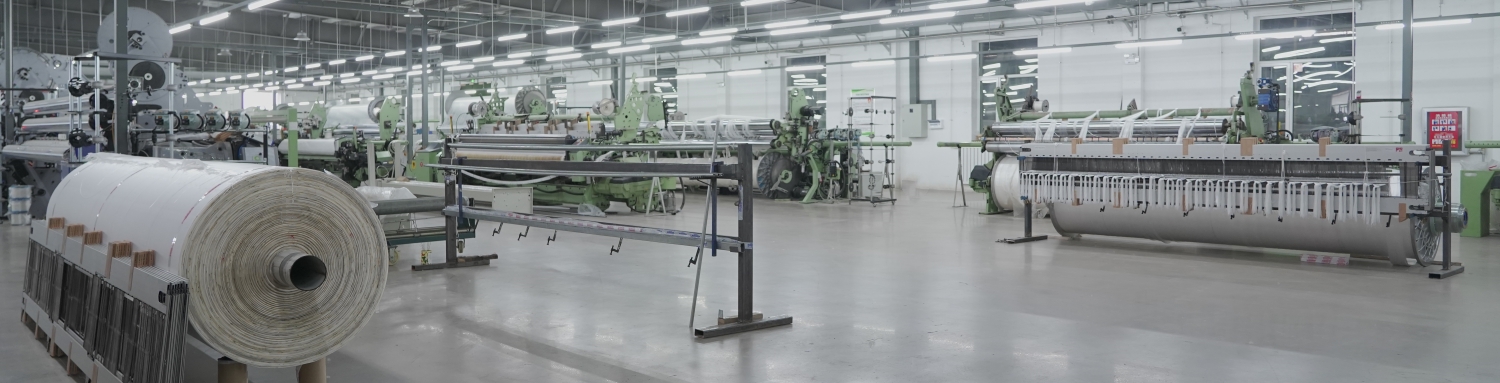
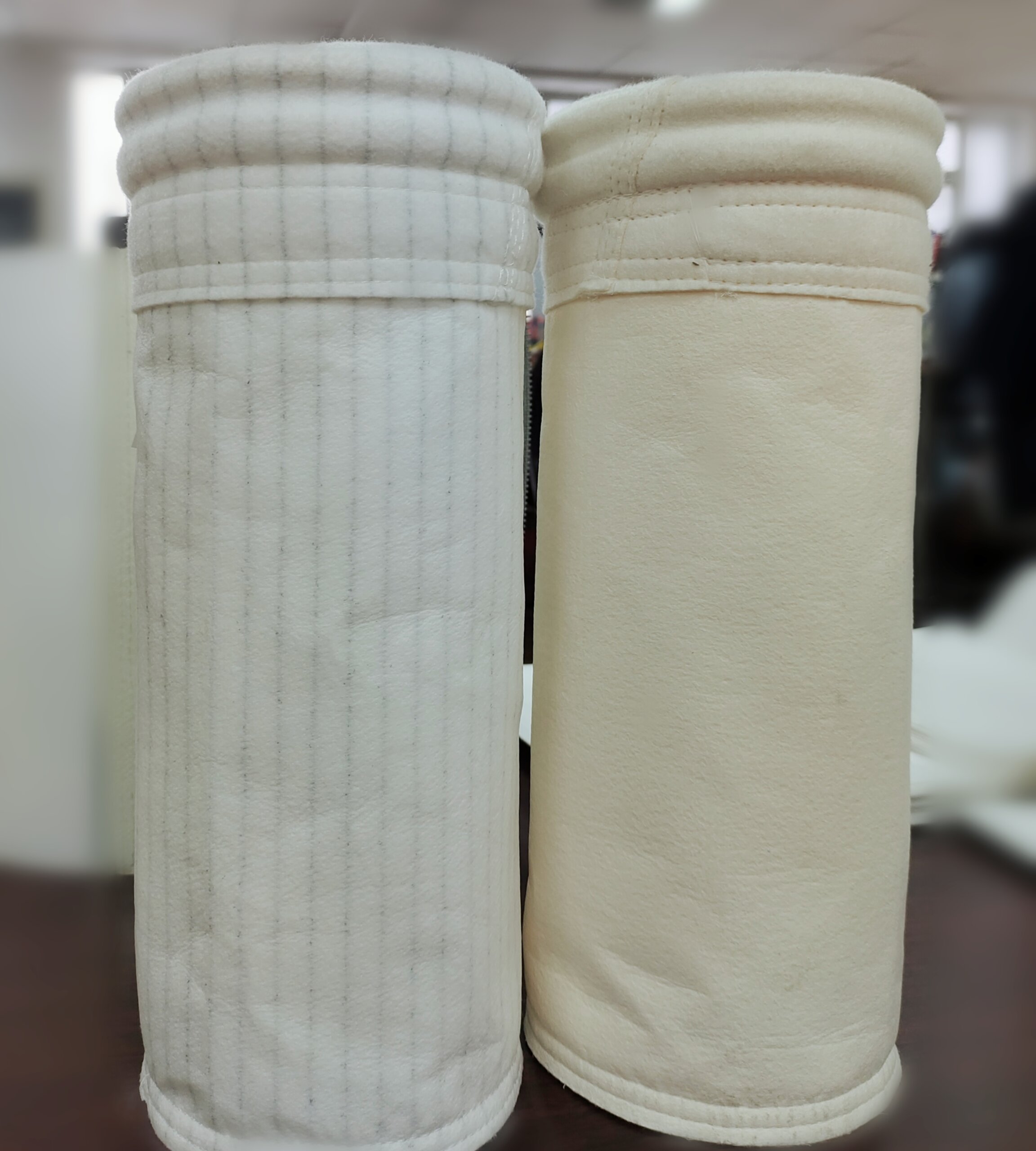
The service life of dust collector bags is a key factor affecting operating cost and system efficiency. Even with the same filter media, bag lifespan can vary significantly due to three main factors: cleaning method, operating conditions, and maintenance strategy.
1. Cleaning Methods
Pulse Jet Cleaning:
Offers strong cleaning efficiency, but excessive pressure or overly frequent pulsing can damage filter bags. A low-pressure, long-cycle strategy is recommended.
Mechanical Shaking:
Simple in structure, but excessive vibration may cause seam wear. Operating parameters should be adjusted according to dust characteristics.
Reverse Air Cleaning:
Gentle airflow with minimal mechanical stress, though cleaning efficiency is relatively low. Suitable for low-adhesion dust applications.
Key Point:
There is no universally superior cleaning method. Selection should be based on actual operating conditions. Pulse jet cleaning is suitable for high-concentration fine dust, while reverse air cleaning is preferable for fragile filter media or aging equipment.
2. Operating Conditions: Environmental Impact on Bag Life
Humidity and Condensation:
High flue gas humidity promotes dust caking on the filter medium surface. When gas temperature falls below the dew point, moisture combines with dust to form hard deposits that block filter pores. Maintaining flue gas temperature above the dew point is critical to preventing condensation and extending bag life.
Dust Characteristics:
Sharp particles cause severe mechanical abrasion, chemically active dust can corrode filter media, and ultrafine particles have strong penetration ability. Membrane-coated filter bags are recommended to improve filtration efficiency.
Filtration Velocity:
Higher filtration velocity increases filter bag load and shortens service life. In pulse jet systems, airflow should be kept within a reasonable range, with lower velocities preferred under high dust concentration conditions.
3. Maintenance Strategy: Prevention Comes First
Daily Monitoring Checklist:
Differential pressure changes: sudden increases indicate blockage, sudden drops may signal bag failure.
Emission concentration: regular monitoring to identify abnormalities.
Pulse system: check air pressure stability and solenoid valve operation.
Periodic Maintenance:
Routine maintenance, including regular tension checks, dust removal, and comprehensive inspections, forms the foundation of preventive maintenance.
Replacement Strategy:
Predictive replacement is recommended instead of reactive replacement, reducing unplanned downtime and ensuring stable system operation.
Conclusion:
The service life of dust collector bags depends on the combined management of cleaning methods, operating conditions, and daily maintenance. Proper matching and standardized operation are essential to extending bag life and reducing overall operating costs.