 볼리안 필터 천
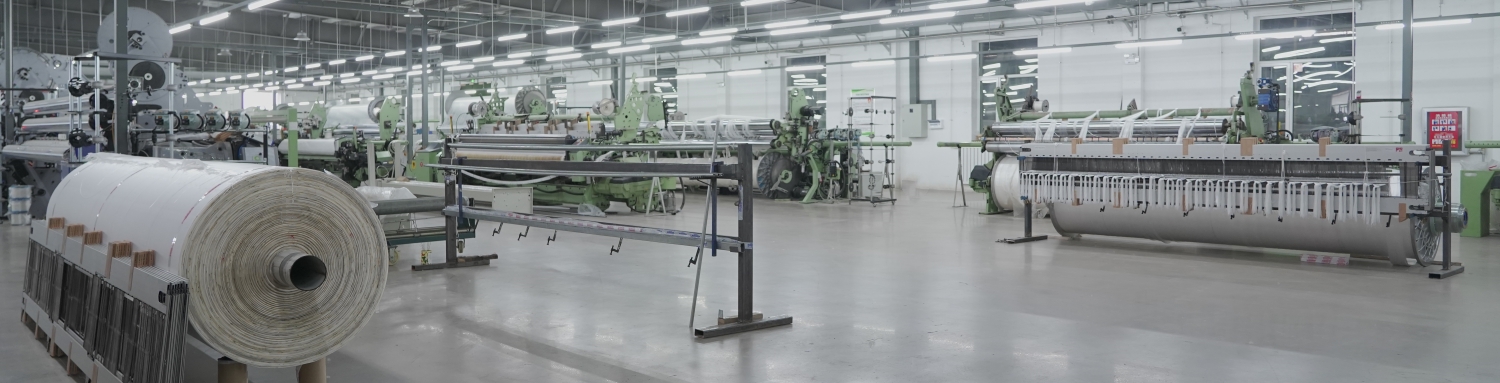
With increasingly strict environmental regulations, asphalt mixing plants must balance high production efficiency with effective dust control. As a core component of the dust collection system, filter bags not only determine whether emissions meet standards, but also directly impact equipment performance and operating costs.
Why Filter Bags Are Essential
During asphalt production, processes such as aggregate drying, screening, and mixing generate large volumes of high-temperature, high-concentration, and sticky dust. If released without proper treatment, this dust can cause serious environmental pollution, harm nearby communities, and lead to material waste and higher operational costs.
High-quality filter bags efficiently capture fine particles, significantly reducing air pollutant emissions and contributing to improved air quality.
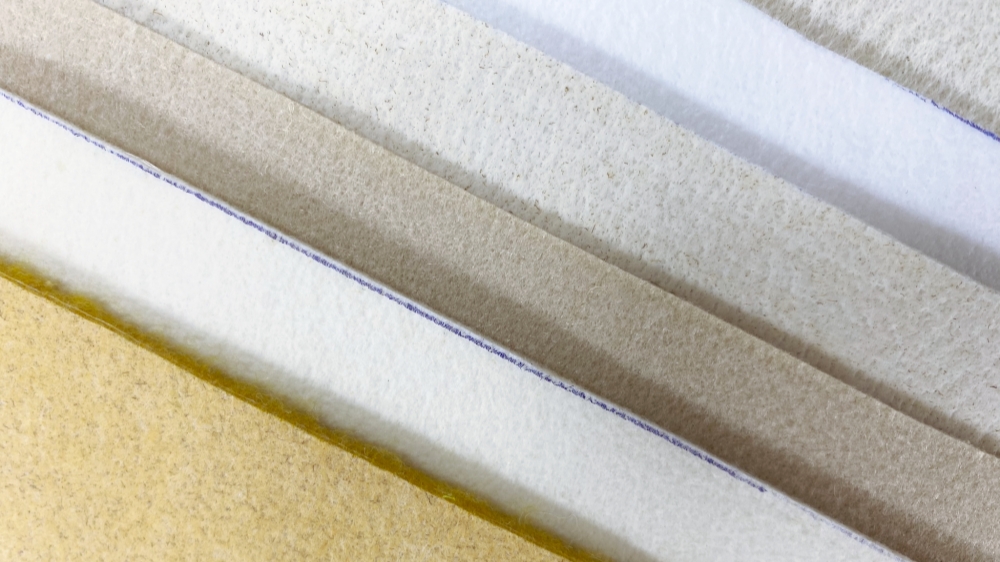
How to Choose the Right Asphalt Plant Filter Bags
Due to the harsh working conditions in asphalt mixing plants, selecting the right filter bag is critical. High-performance filter bags should offer:
- High temperature resistance: Stable operation at 120–180°C
- Excellent hydrolysis resistance: Suitable for high-humidity environments
- Oil and water repellency: Prevents clogging and maintains airflow
Common high-performance materials include P84 filter media and PTFE membrane polyester needle felt, which provide excellent durability, filtration efficiency, and longer service life—helping to improve overall dust collection performance.
Conclusion
As the asphalt industry continues to evolve, filter bags have become a key component in ensuring both operational efficiency and environmental compliance. Choosing the right products and maintaining them properly is essential for long-term stable operation.
If you are looking for high-efficiency and durable filter bag solutions, feel free to contact us for expert selection advice and customized services. We are here to help your plant achieve more stable and environmentally responsible operations.