 Pano de filtro Bolian
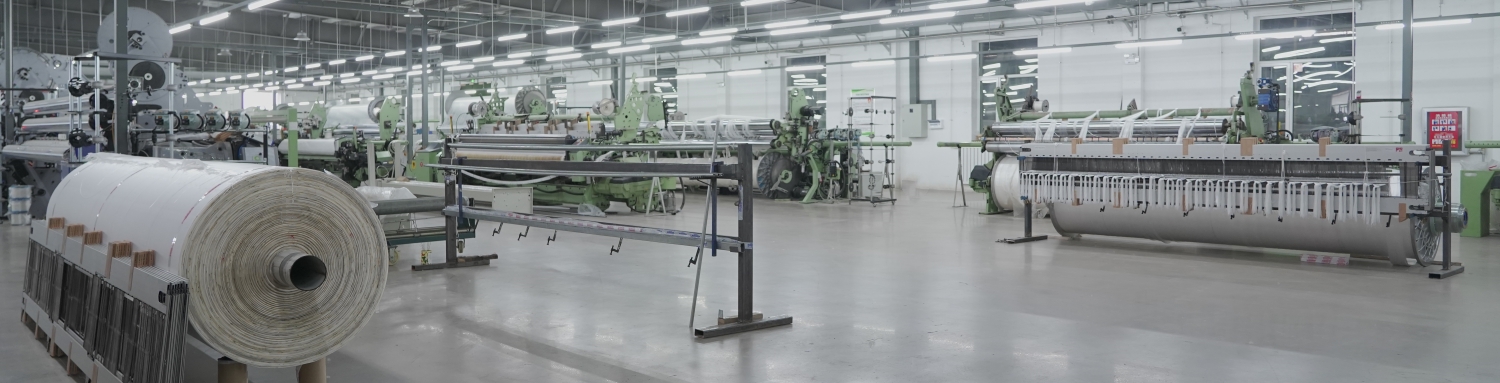
In baghouse dust collectors, filter bags are the most critical filter media. Their performance directly affects dust removal efficiency, emission stability, and the overall reliability of the equipment. Typically designed in a cylindrical shape and vertically installed inside the dust collector, these filter bags operate under varying conditions — which greatly influence their service life. So, how long can dust collector bags actually last, and what factors determine their replacement cycle? This article provides a clear overview.
1. Replacement Cycle Under Normal Conditions
In standard working environments where the dust collector operates about 8 hours per day, dust collector filter bags generally last 2–3 years. This lifespan applies to most industries with moderate dust concentrations and stable temperatures.
2. Service Life in Harsh Working Conditions
If the dust collector operates in high-temperature, high-humidity, corrosive, or heavy-dust environments, the service life of the filter bags will be significantly reduced. When the equipment operates more than 8 hours daily, bags may need replacement in less than 2 years.In extreme cases—such as exposure to hot flue gas or acidic/alkaline fumes—filter bags may last only 3–8 months.
3. Key Factors Affecting Dust Filter Bag Lifespan
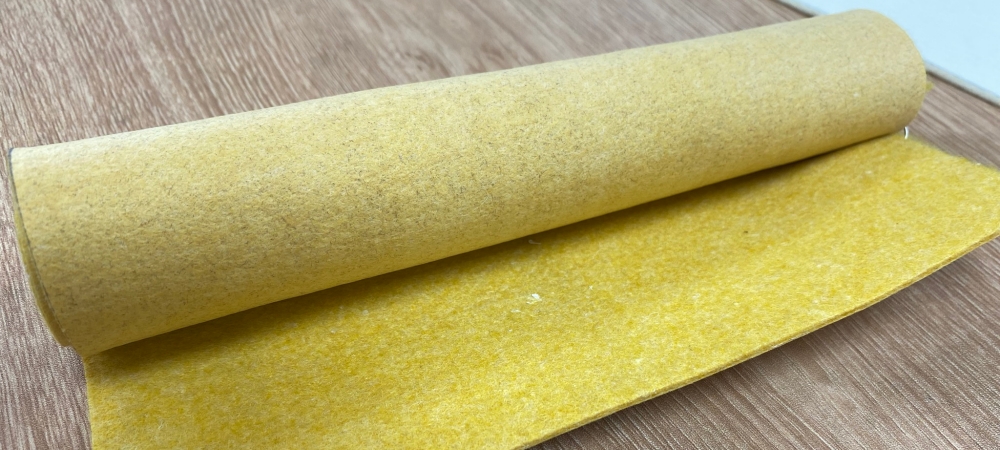
The temperature, humidity, concentration, corrosiveness of the flue gas, as well as the particle size of the dust, all directly affect the service life of dust collector bags. Therefore, when selecting dust filter bags, it is essential to choose bags with properties that match the characteristics of the flue gas.
Thus, to extend the service life, the filter media must be selected according to the specific working conditions, such as high-temperature resistance, corrosion resistance, or abrasion resistance.
4. Recommended Replacement Time
Although the theoretical replacement cycle is around two years, real-world conditions vary widely. Common replacement intervals include:
Normal conditions: every 2–3 years
High-temperature or corrosive conditions: around 1 year or less
Extreme conditions: 3–8 months
If emissions noticeably increase, system resistance rises suddenly, or filter bags show visible damage, inspection and replacement should be carried out immediately to ensure compliance and stable operation.
5. Impact of Changing Working Conditions
Production fluctuations such as increased dust load, rising flue gas temperature, or poor cleaning efficiency can shorten the lifespan of filter bags. Regular inspections and monitoring of system parameters are essential to ensure stable performance and prevent premature wear.
6. Long-Term Wear from Dust Particles
During prolonged operation, dust particles continuously rub against the filter media, causing the bags to become thinner and more brittle over time. When temperature fluctuations combine with acidic or alkaline gases, the degradation process accelerates. In heavy-dust environments, filter bags may last less than one year.
Conclusion
The replacement cycle of dust collector filter bags is not fixed. It depends on the working conditions, dust characteristics, operating time, and the type of filter material used. Choosing the right filter media, maintaining stable operating conditions, and conducting routine inspections are essential to extending the life of the filter bags and maintaining efficient dust collection performance.
For filter bag selection advice or customized solutions, feel free to contact a professional filter media supplier.