 Pano de filtro Bolian
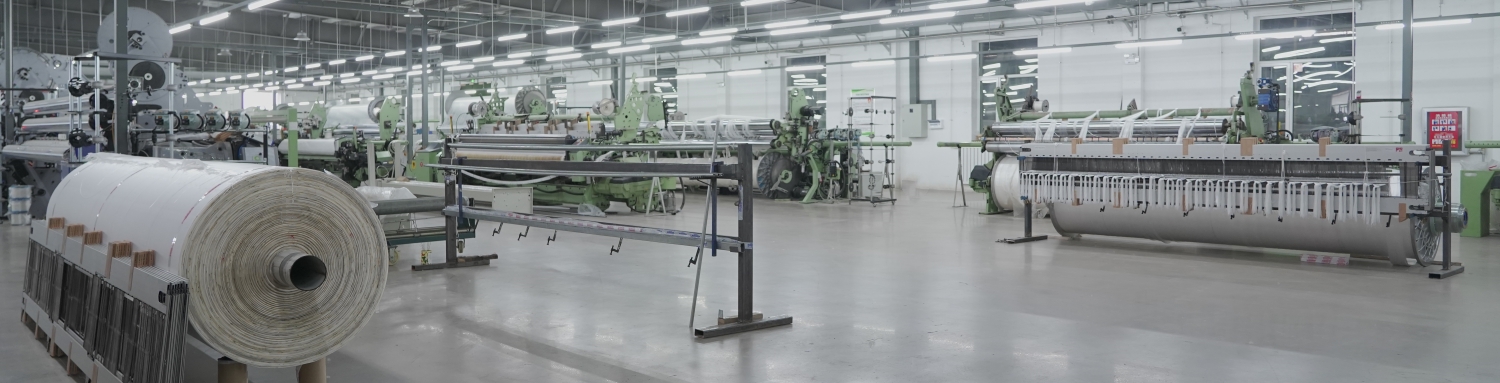
In asphalt mixing plants, selecting the right dust filter bags requires a comprehensive evaluation of multiple factors. Proper selection directly impacts emission compliance, equipment efficiency, and operating costs. Below are the key considerations.
Filtration Efficiency Determines Emission Performance
Dust generated in asphalt mixing plants ranges from coarse particles to ultrafine dust. To meet environmental standards, filter bags must effectively capture particles larger than 0.1 microns.
Optimized fiber structures and surface treatments help maintain high filtration efficiency while avoiding clogging and increased resistance.
Temperature Resistance Must Match Operating Conditions
Flue gas temperatures in asphalt plants typically exceed 120°C and may be even higher in certain conditions. Different filter media have distinct temperature limits:
Polyester filter bags are suitable for temperatures below 120°C.
Aramid filter bags can operate under temperatures up to 200°C.
Fiberglass filter bags can withstand temperatures around 260°C.
When selecting filter bags, actual flue gas temperature must be considered, and a safety margin should be reserved to prevent aging or burning caused by overheating.
Corrosion Resistance Ensures Long-Term Stability
Flue gas may contain acidic components such as sulfur dioxide (SO₂) and nitrogen oxides (NOx), especially when heavy oil or lower-quality fuels are used.
For such environments, PPS filter bags or specially treated composite filter media are recommended due to their excellent resistance to acid and alkali corrosion, helping extend service life and maintain stable performance.
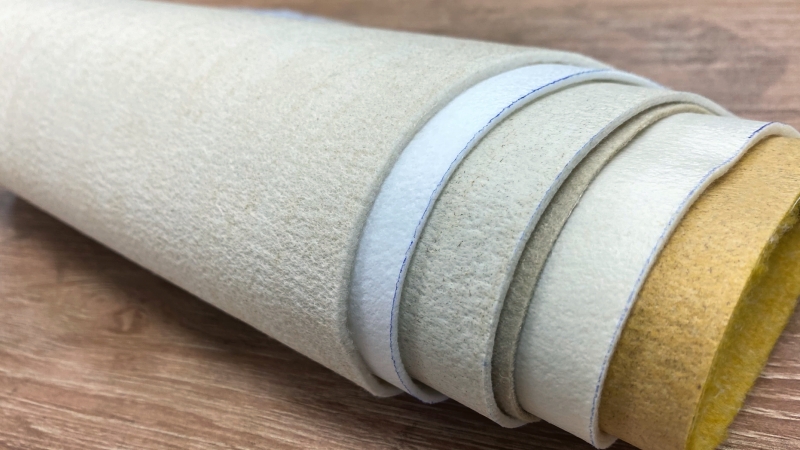
Asphalt Mixing Plant Dust Filter Bags
Air Permeability Affects Energy Consumption and Efficiency
Air permeability directly influences system pressure drop. Low permeability increases differential pressure and fan energy consumption. Excessively high permeability may reduce filtration efficiency.
High-quality filter media achieve a balance between efficiency and airflow, enabling low-resistance and high-performance dust collection.
Strength and Abrasion Resistance Extend Service Life
Asphalt dust has certain hardness and abrasive properties. Continuous impact and pulse cleaning can cause mechanical wear on filter bags.
PTFE membrane-laminated filter bags not only improve filtration accuracy but also enhance abrasion resistance and anti-peeling performance, significantly extending replacement cycles.
Cost and Overall Cost-Effectiveness
There are significant cost differences between filter bag materials. Fiberglass bags are moderately priced, while aramid bags are more expensive. Selection should consider purchase cost, service life, maintenance frequency, and energy consumption to choose the most cost-effective solution based on total operating cost.
Conclusion
Selecting dust filter bags for asphalt mixing plants is a systematic process that requires analysis of dust characteristics, temperature conditions, chemical environment, and equipment parameters.
Scientific selection and proper configuration ensure stable emission compliance, reduced energy consumption, and lower maintenance costs, supporting greener production and sustainable development.